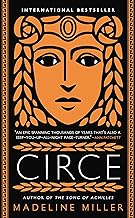
In the vast pantheon of Greek mythology, few figures have experienced a modern renaissance quite like Circe. Once a relatively minor enchantress in Homer's Odyssey, she has been reborn in the 21st century as a powerful symbol of feminine power, resilience, and complex magic. This resurgence is most famously spearheaded by Madeline Miller's award-winning novel, Circe, which has captivated millions of readers and sparked a renewed fascination with mythological retellings.
The Power of a Feminist Retelling
Madeline Miller's Circe is more than just a novel; it's a cultural phenomenon. By giving voice to a character traditionally seen through the lens of male heroes, Miller crafts a profound narrative of isolation, self-discovery, and ultimate empowerment. The book, a bestseller and Book of the Year contender, reimagines Circe not as a villainous sorceress, but as a nuanced woman navigating a world of capricious gods and heroic arrogance. Its success has cemented the feminist retelling as a vital subgenre of historical and mythological fiction.
This transformative approach is often discussed in book reviews and literary analysis, highlighting how Miller's work invites a deeper novel study. For those looking to explore her world further, the Circe and The Song of Achilles By Madeline Miller 2 Books Collection Set offers the perfect entry point, pairing this masterpiece with her equally acclaimed debut, The Song of Achilles: A Novel (P.S.).
Circe's Expanding Universe
The fascination with Circe has transcended the pages of a single novel, blossoming into a multifaceted cultural touchstone. For spiritual seekers and practitioners of modern witchcraft, The Little Book of Circe: Invocations and Prayers (Little Magical Guides) provides a practical guide to connecting with her energy, blending goddess worship with contemporary practice. In the realm of divination tools, the stunning Circe Tarot deck by Fabio Visintin captures her mystical essence through breathtaking mystical art, allowing users to channel her wisdom for personal guidance.
The story's global appeal is evident in its translations, such as the Circe [AdN] (Spanish Edition) and the powerful German adaptation, Ich bin Circe: Roman, which brings this rebellious narrative to new audiences. This expansion shows that the themes of Miller's Greek mythology retelling—agency, power, and redemption—resonate universally.
Connecting the Mythological Web
Circe's story does not exist in isolation. Miller's work is part of a broader movement re-examining ancient women. A compelling companion read is Clytemnestra, another complex queen often vilified by history, now receiving her own nuanced portrayal. Furthermore, readers who enjoy the atmospheric and labyrinthine qualities of Circe often find a kindred spirit in Susanna Clarke's Piranesi, a novel that similarly explores isolation, memory, and a world built on ancient rules, blending magical realism with profound literary fiction.
For book clubs and dedicated readers, diving deeper is made easier with resources like the Study Guide for Book Clubs: Circe. This guide facilitates rich discussion, helping groups unpack the novel's layers of mythology, feminism, and character development, ensuring that every meeting is as enriching as the book itself.
The Enduring Legacy of a Modern Myth
From a supporting character in an epic poem to the star of a bestselling modern classic, Circe's journey mirrors the one she undergoes in Miller's novel: a transformation from obscurity to self-realized power. Her story continues to inspire, whether through the pages of a fantasy novel, the draw of a tarot card, or the whispered words of an invocation. The enduring popularity of all things related to Circe proves that ancient myths, when retold with empathy and insight, hold timeless power to reflect our own struggles, triumphs, and quest for meaning. She is no longer just a witch on an island; she is a symbol of enduring strength for the modern age.